
Understanding the Role of IBC in Modern Logistics
In the world of logistics and supply chain management, efficient storage and transportation of liquids is crucial. The term “ibc” refers to Intermediate Bulk Containers, which have become a staple in industries requiring the handling of large volumes of liquids. These containers offer a cost-effective, durable, and space-saving solution.
Intermediate Bulk Containers, or “ibc”, are designed to store and transport bulk quantities of fluid and semi-solid materials. They are often used in industries such as agriculture, chemicals, pharmaceuticals, and food production. These containers are known for their versatility and ability to handle a wide range of products safely and efficiently.
Key Features of IBC
An “ibc” container is typically constructed from high-density polyethylene (HDPE) and is reinforced with a galvanized steel frame. This design ensures durability and strength, making it ideal for the rigors of transportation. The containers are available in various sizes, with the most common being the 1,000-liter capacity.
| Feature | Description |
|---|---|
| Material | High-density polyethylene (HDPE) |
| Capacity | Typically 1,000 liters |
| Reinforcement | Galvanized steel frame |
Benefits of Using IBC
The use of “ibc” containers offers several advantages to businesses across various sectors:
- Cost-Efficiency: IBC containers reduce the need for multiple smaller containers, lowering transportation and storage costs.
- Space Saving: Their stackable design maximizes space utilization in warehouses and transportation vehicles.
- Environmental Impact: Many IBCs are reusable and recyclable, reducing waste and promoting sustainability.
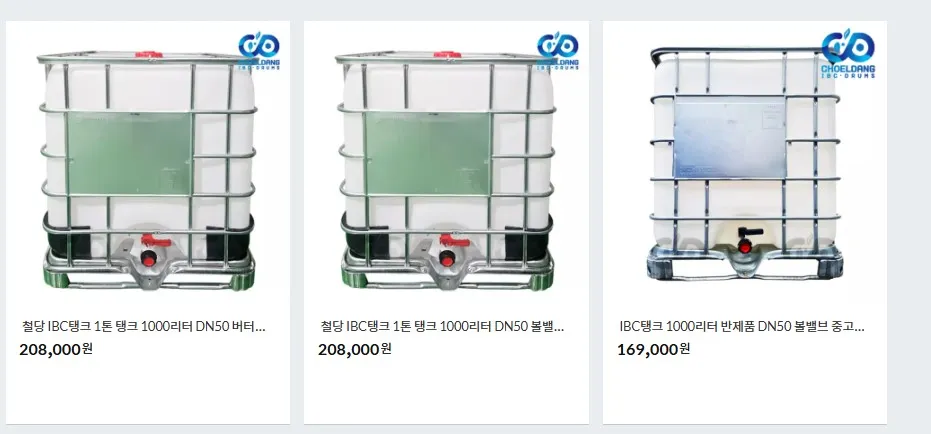
In addition to these benefits, IBCs provide a high level of safety. Their robust construction minimizes the risk of leaks and spills, which is essential when handling hazardous materials.
Applications of IBC
The “ibc” is widely used across various industries due to its versatility. In agriculture, they store fertilizers and pesticides. In the chemical industry, they safely transport hazardous materials. Food manufacturers use them for bulk ingredients like oils and syrups, ensuring product integrity through every stage of the supply chain.
With the growing emphasis on sustainability, many companies are opting for returnable and recyclable IBC options. This shift not only helps in reducing environmental impact but also aligns with global trends towards greener business practices.
Future of IBCs
As industries continue to evolve, so does the technology behind “ibc” containers. Innovations such as smart IBCs that incorporate tracking and monitoring systems are becoming more prevalent. These advancements allow businesses to optimize their supply chain operations, ensuring timely deliveries and reducing losses from damaged goods.
The demand for efficient liquid handling solutions will likely drive further innovations in IBC technology. Businesses that adopt these advanced solutions can expect to see improved operational efficiency and a stronger competitive edge in the market.
In conclusion, the role of “ibc” in logistics is indispensable. As businesses strive for efficiency and sustainability, these containers will continue to be a vital component in supply chain strategies. For those looking to enhance their logistics operations, exploring IBC solutions could be a game-changer.
Explore how “ibc” containers can revolutionize your logistics operations and consider integrating them into your supply chain strategy today.